
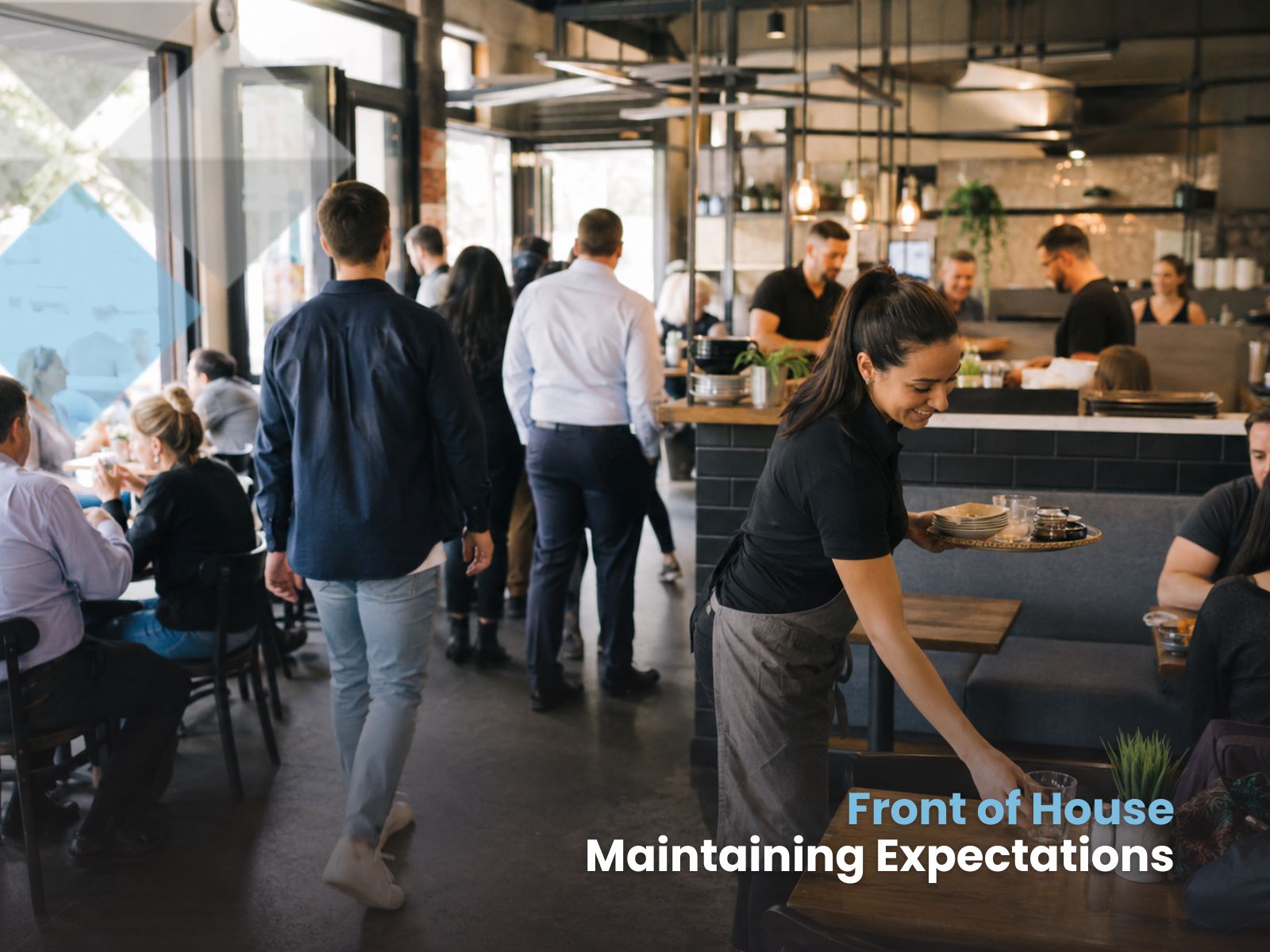
A customer walks into a fast-casual restaurant, café, food court outlet or high street lunch spot and spends around £10.
They may only be there for fifteen minutes. They may order a wrap, salad bowl, burger, noodles, coffee, sandwich or takeaway lunch. They may not sit down for long, they may not speak to a manager, and if something feels slightly off, they may not complain.
They may simply not come back.
That is why front of house cleaning still matters. A small transaction is still a trust decision, and customers make that decision quickly, often before they have tasted the food.
They notice the entrance. They notice the counter. They notice whether the floor feels clean underfoot, whether tables have been wiped properly, whether bins are under control, whether the washrooms feel cared for, and whether the whole space gives them confidence that the operation behind the counter is being managed properly.
For operators, this matters because front of house is not just a seating area. It is part of the product.
Customers judge what they can see
In a delivery-only kitchen, the customer rarely sees the working environment. In a fast-casual or high street hospitality setting, the opposite is true. The customer sees the space immediately, and every visible detail helps shape their view of the brand.
A clean front of house can make a simple lunch feel fresh, reliable and well run. A tired or neglected front of house can create doubt very quickly, even when the food itself is good.
That doubt does not always show up as a complaint. It can show up as a customer choosing somewhere else next time.
Sticky floors, smeared glass, overflowing bins, marked tables, tired seating, dirty skirting, neglected corners, dusty vents, stained walls or poorly maintained washrooms all send a message. The customer may not consciously inspect every surface, but they will feel whether the site is being cared for.
This is especially important in food environments, where visible cleanliness is often used as a shortcut for wider trust. If the customer area looks neglected, people naturally start to wonder what the parts they cannot see might look like.
Liam Hodgson, Client Services Manager at BCS, explains:
“Front of house cleaning is sometimes treated as the simple part of hospitality cleaning, but it is often where customers make their quickest judgement. In a fast-casual site, people are moving through quickly, tables turn over constantly and staff are under pressure. If the visible areas feel neglected, the customer starts questioning the whole operation.”
The Food Standards Agency’s Food Hygiene Rating Scheme gives customers clear information about hygiene standards in food businesses, and although the rating itself is based on inspection criteria rather than general decoration or presentation, the customer’s real-world judgement often starts much earlier. They are looking at the doorway, the tables, the service counter, the washrooms and the general sense of care.
That does not mean every venue needs to look premium. A busy lunch spot can still be simple, practical and affordable. But it does need to feel clean, controlled and properly maintained.
Fast-casual sites take a lot of punishment
Front of house standards are difficult to maintain because these environments are used hard.
A typical high street food venue can go from quiet to full within minutes. The lunch rush brings fast table turnover, wet coats, takeaway bags, dropped food, spilled drinks, packaging waste, queues at the counter and pressure on staff who are already focused on service.
In transport hubs, retail parks, city centres, food courts and event-led locations, the peaks can be even sharper. A venue may need to reset quickly between waves of customers, with very little breathing space between breakfast, lunch, after-school, early evening and post-event trade.
That is why front of house cleaning should not be treated as a quick wipe-round at the end of the day. Daily routines are essential, but they are only part of the picture. Over time, dirt and marks build up around table bases, chair legs, booth seating, door frames, glass, ledges, skirting, vents, light fittings, bin areas and less obvious high-touch points.
The busier the site, the easier it is for small issues to become normalised.
Staff may stop noticing marks that have been there for weeks. Managers may focus on immediate service pressures. Customers, however, often spot those details straight away because they are seeing the space with fresh eyes.
There is also a safety element. Food debris, wet entrances, greasy transfer from kitchen areas, cluttered walkways and poorly maintained floors can all create slip or trip risks, particularly during bad weather or peak service. Cleanliness and safety are closely linked, especially in venues where customers, delivery drivers and staff are all moving quickly through the same space.
Mark Biffin, Director at BCS, says:
“A customer spending £10 on lunch still expects the place to feel clean, safe and properly looked after. That first impression matters. For operators, good front of house standards are not just about appearance. They support trust, repeat custom and the reputation of the wider brand.”
For multi-site operators, consistency is another challenge. One branch with tired standards can affect how customers think about the wider brand, particularly when people are choosing between familiar names on the same high street or in the same retail park. Customers do not usually separate the individual site from the brand as a whole. They simply remember whether the experience felt clean, efficient and worth repeating.
Front of house cleaning supports the whole operation
Good front of house cleaning is not about making a site look perfect for a photograph. It is about helping the venue cope with real trading conditions.
That means understanding how customers use the space, where pressure points build up, which areas are most visible, when cleaning can happen without disrupting service, and how periodic cleaning can support the daily work already being done by site teams.
For fast-casual and high street hospitality venues, the areas that often need particular attention include entrance glass, customer walkways, tables, seating, counters, condiment stations, self-service drink areas, bins, washroom touchpoints, floors, walls, vents, lighting, ledges and high-level areas that are easy to miss during routine cleaning.
The benefit is wider than appearance. Clean front of house spaces support customer confidence, staff pride, safer movement through the site, stronger brand consistency and better resilience during peak trading. They also help managers avoid the slow decline that can happen when busy environments are only ever cleaned reactively.
This is where specialist support can make a practical difference. BCS works with hospitality, food service and commercial environments where cleaning has to fit around live operations, not interrupt them. That can include front of house cleaning, kitchen deep cleaning, high-level cleaning, washroom and public area support, and planned periodic cleans that help restore areas daily teams may not have the time, equipment or access to tackle properly.
The right approach depends on the site. A compact city centre lunch venue will have different needs from a large food court unit, a transport hub outlet, a restaurant in a retail park or a hospitality venue that deals with event-day footfall. What matters is building a schedule around actual use rather than assuming all front of house areas behave the same.
A £10 lunch customer may not expect luxury. They may not expect table service, soft furnishings or a long visit. But they still expect the basics to be right, and in a competitive high street environment, those basics can be the difference between a one-off purchase and a repeat customer.
Front of house is where customers decide whether the business feels cared for.
For BCS, that is the point. Clean, well-maintained customer areas are not just cosmetic. They are part of how a food business protects trust, supports staff, and keeps standards visible in the moments that matter most.
